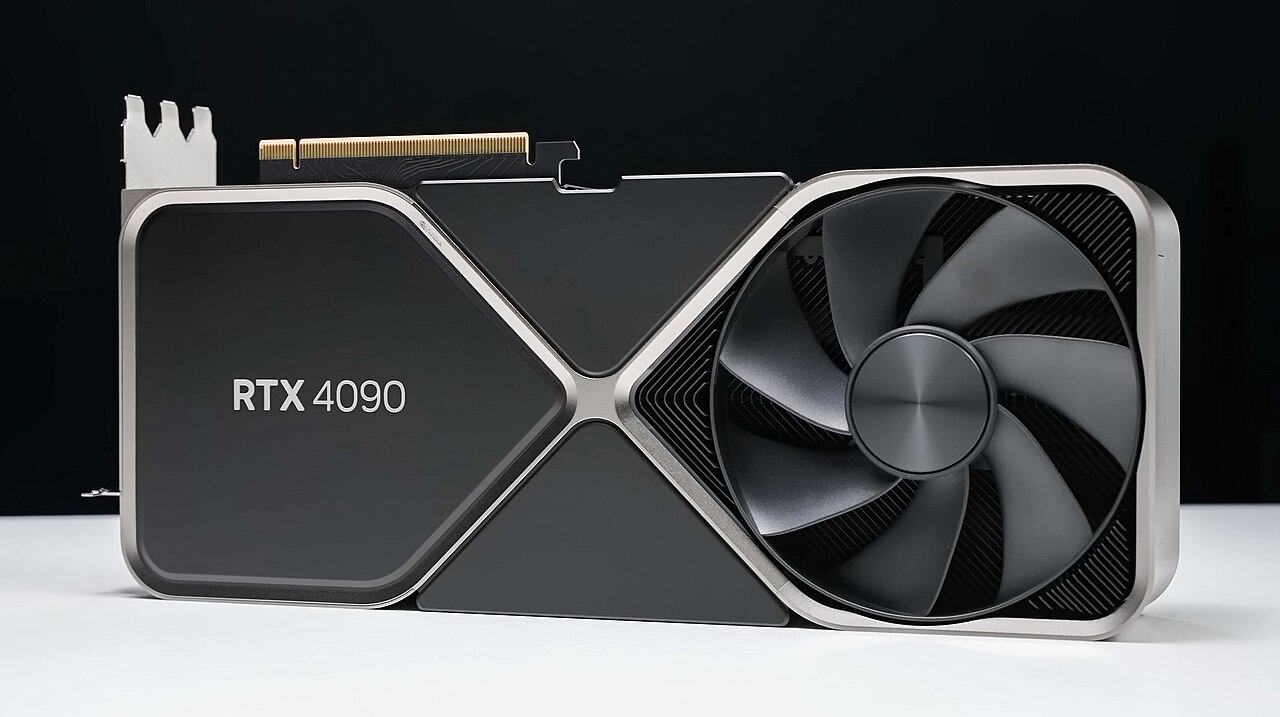
Identify the card in the cart
Copy the manufacturer model number and the store SKU into a note. Search for the manufacturer number to find equivalent offers at other retailers. A short listing title may leave out the cooler design, a factory overclock, or the length of the card. If you already measured your case for a particular card, check the selected model again in the cart before paying.
Check who sells the card and who ships it. A familiar retailer’s site can host offers from other sellers. The seller may handle some parts of delivery, service, or returns. Look for the name in the offer and again on the checkout page, especially if the site offers multiple prices for the same item.
Make the comparison by condition
Compare a new card with other new cards of the same model. If you’re considering open box, read the listing’s grading, included accessories, and the policy for that particular offer. Best Buy, for example, grades open-box items Excellent, Good, or Fair. Other retailers can have different definitions. A missing GPU support bracket might be easy to replace. A missing power adapter can delay the install and add cost if you need a specific approved cable.
For refurbished or pre-owned cards, identify who provides the warranty and what proof of purchase they require. Find out how long you have to test and return the card, where you can return it, and whether any fees apply. Keep the packaging and run a typical game soon after delivery so you have time to act on a problem.
Compare totals you could actually pay
Open the cart with your delivery or pickup location set. Record the final price for one card, including applicable tax and shipping. Include a required membership or bundle in the cost if you would buy it solely to get the discount. If you have access to a discount, count it when it appears in the order total. Treat future rebates or store credit separately so the cash leaving your account is clear.
Compare the result with an in-stock price for the same model, condition, and seller terms. Use the nearest model you’d happily install as a second comparison. The amount on the crossed-out price tag often matters less than the price of the next viable option.
Write down a ceiling before the sale starts
Set a maximum total based on your full upgrade budget. Set a separate ceiling for open box if you’d accept that condition, leaving enough savings to make any differences in accessories, warranty, and return rights worthwhile. Keep those two numbers with the model numbers you’ve already vetted.
When an offer appears, you can judge it with a few checks instead of researching the card under a countdown timer. Confirm the exact model, condition, seller, final total, and return terms. If those match your criteria, you’ll know what you’re buying and what it will cost.